Every Uhuru social immersion seems to leave us with more questions than answers. Perhaps that is exactly what it is meant to do.
Uhuru is training in assisted living for neurodiverse adults. At the heart of this work sits a question many families carry: “What after me?” What does adulthood look like beyond the familiar, and how do we prepare for a life that cannot always be structured or predicted?
Much of what we know about supporting neurodiverse adults tells us that preparation, structure and predictability matter. We tell people where they are going, what will happen and what the sequence will be. We use routines, repetition and familiarity. All of this has value. But our recent social immersion made us wonder: What happens when they have not been prepared for everything, and yet find ways to adapt?
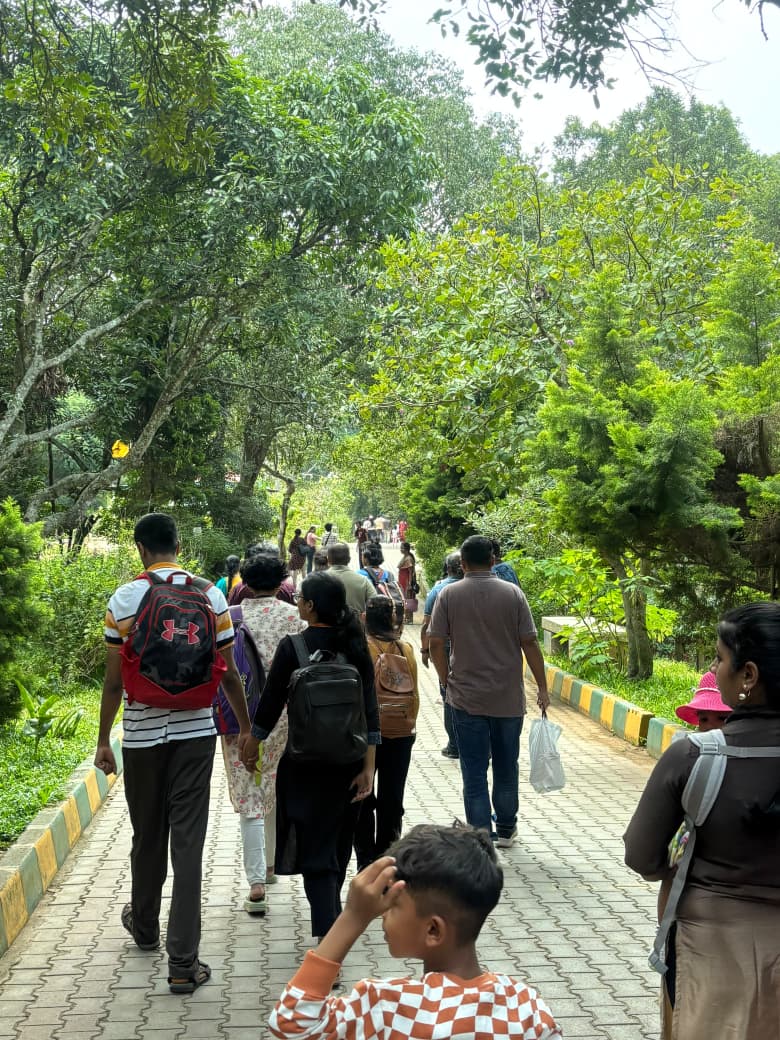
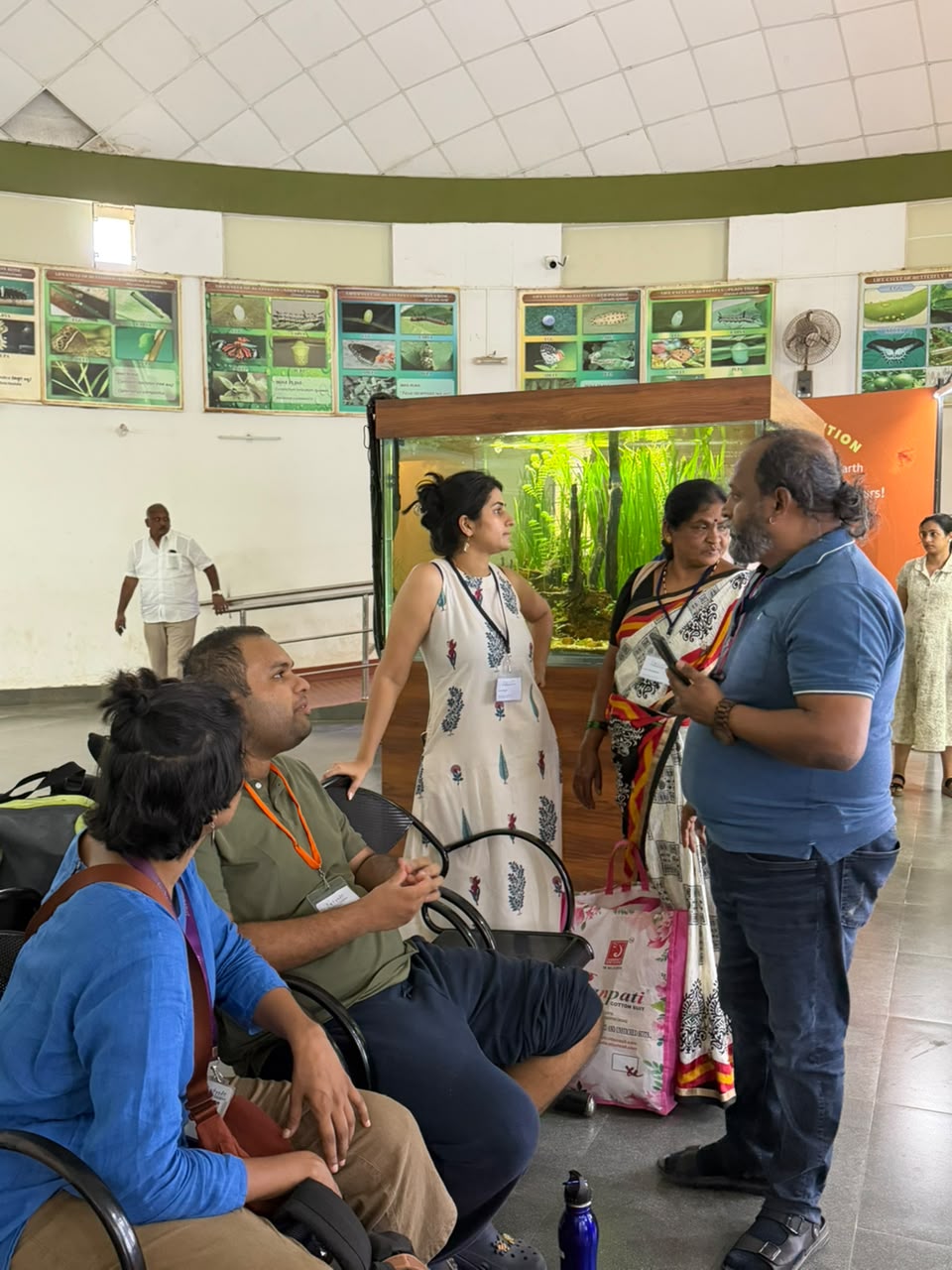
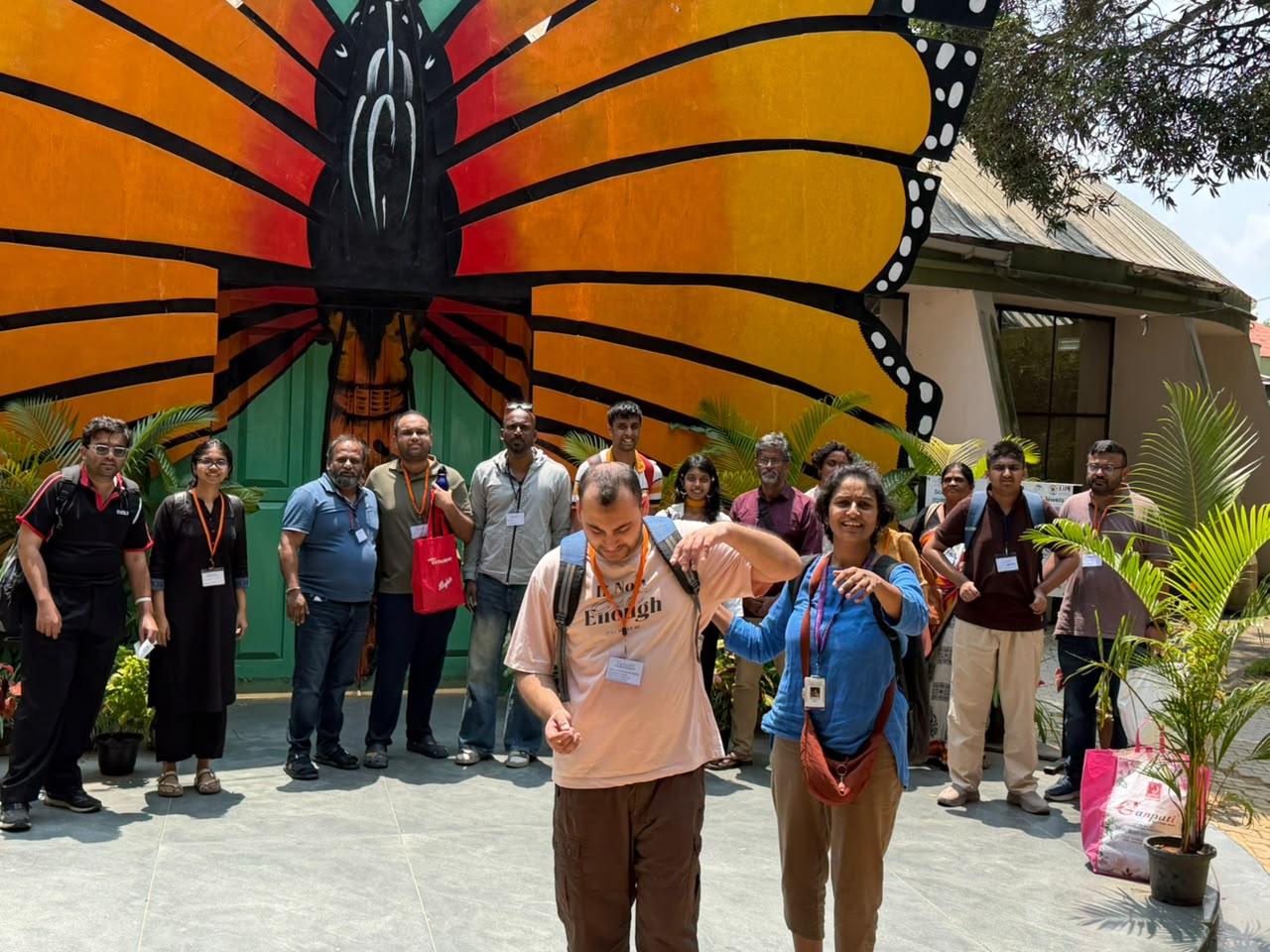
At the Butterfly Park there were crowds, sounds, movement, waiting, unfamiliar people and unexpected moments. People around us responded differently too. Some were curious, some barely noticed, some watched, and some did not quite know how to make sense of what they were seeing.
When one of our non-speaking adults expressed discomfort through loud vocalisations, a few people appeared unsure about what was happening. Yet within the group, people waited, adjusted, supported one another and found their way through the space. Not everyone experienced it in the same way or needed the same support. What struck us was not the absence of difficulty, but the presence of adaptation.
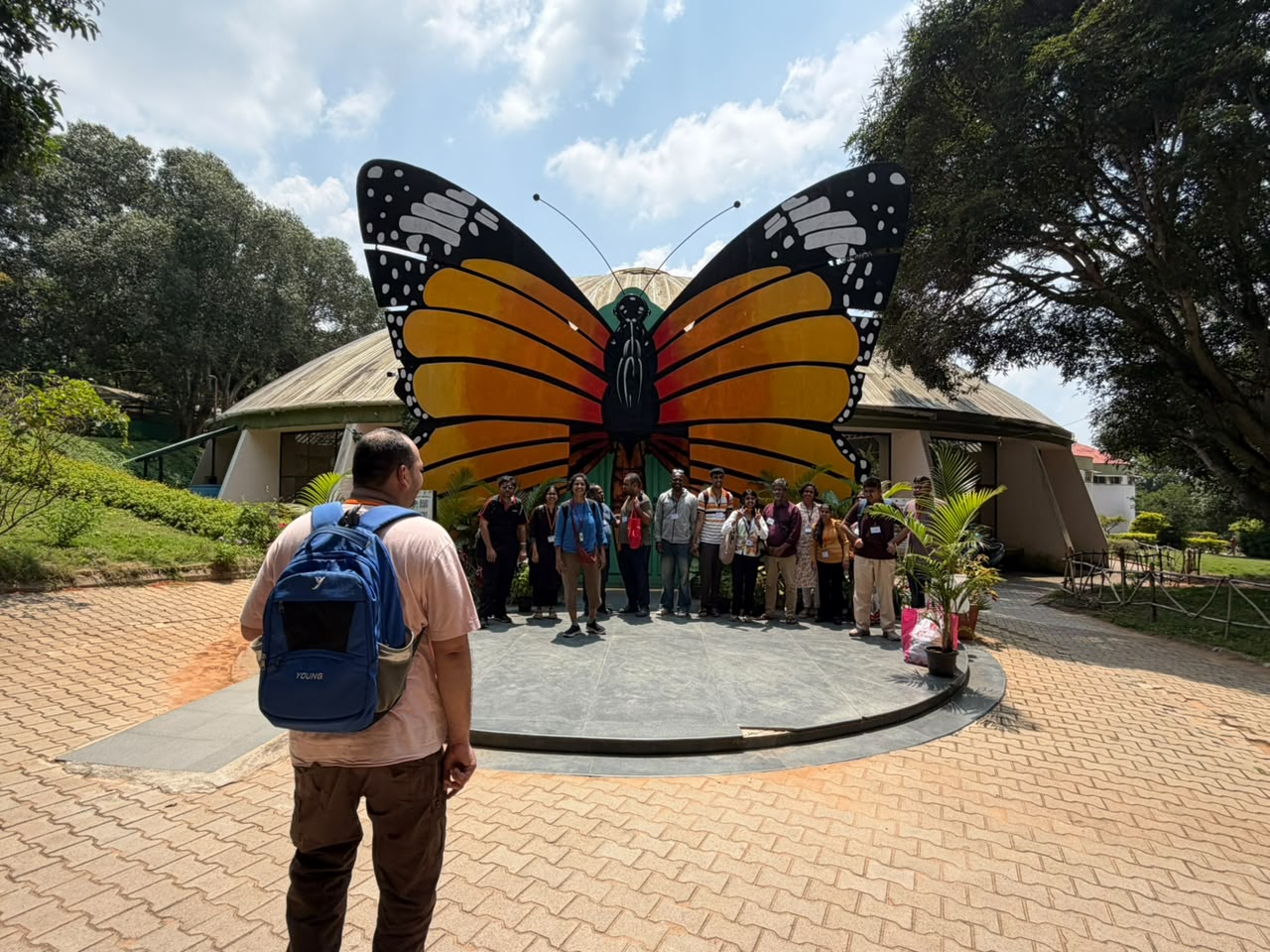
Different people. Different ways of experiencing the same space.
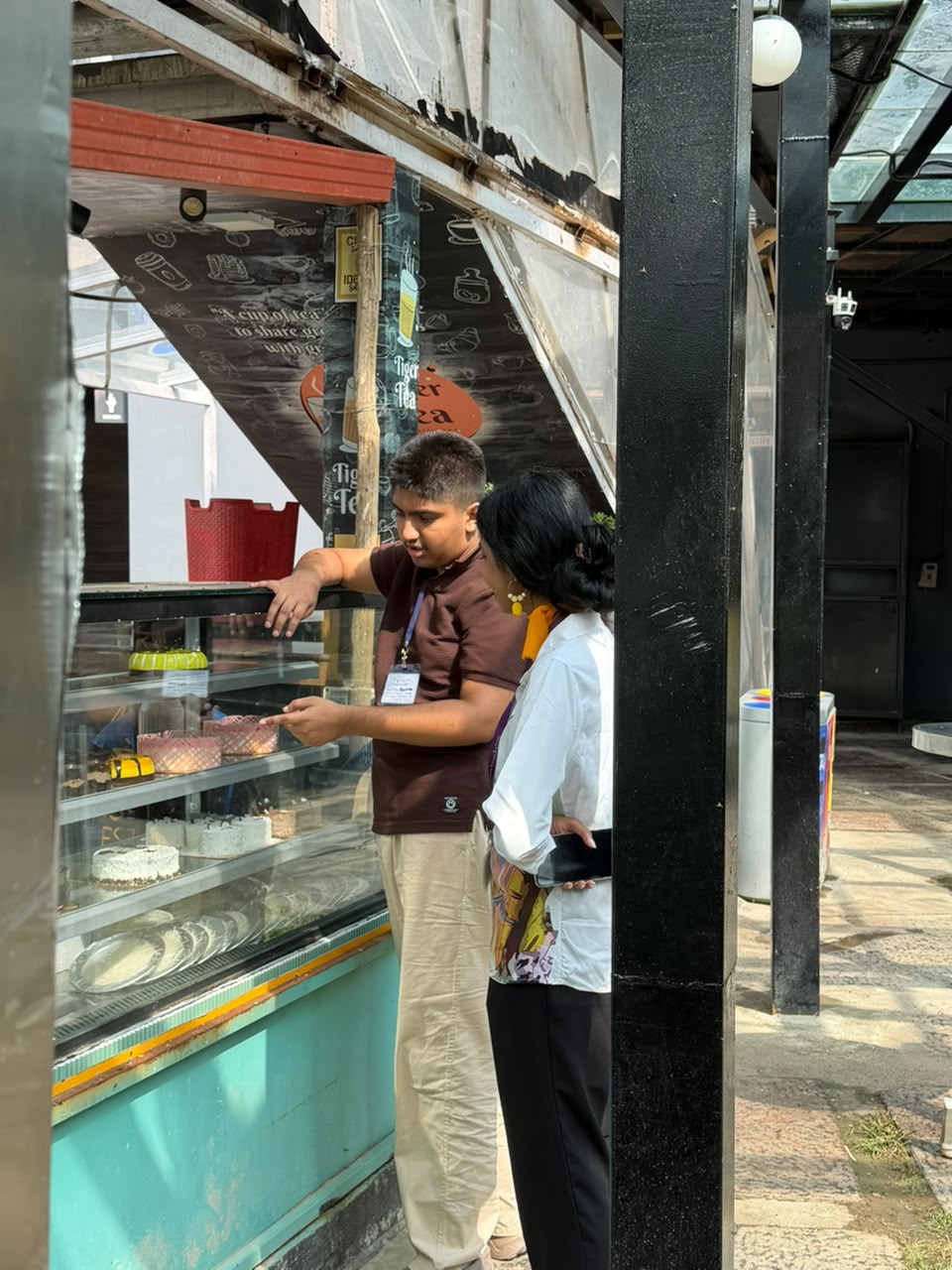
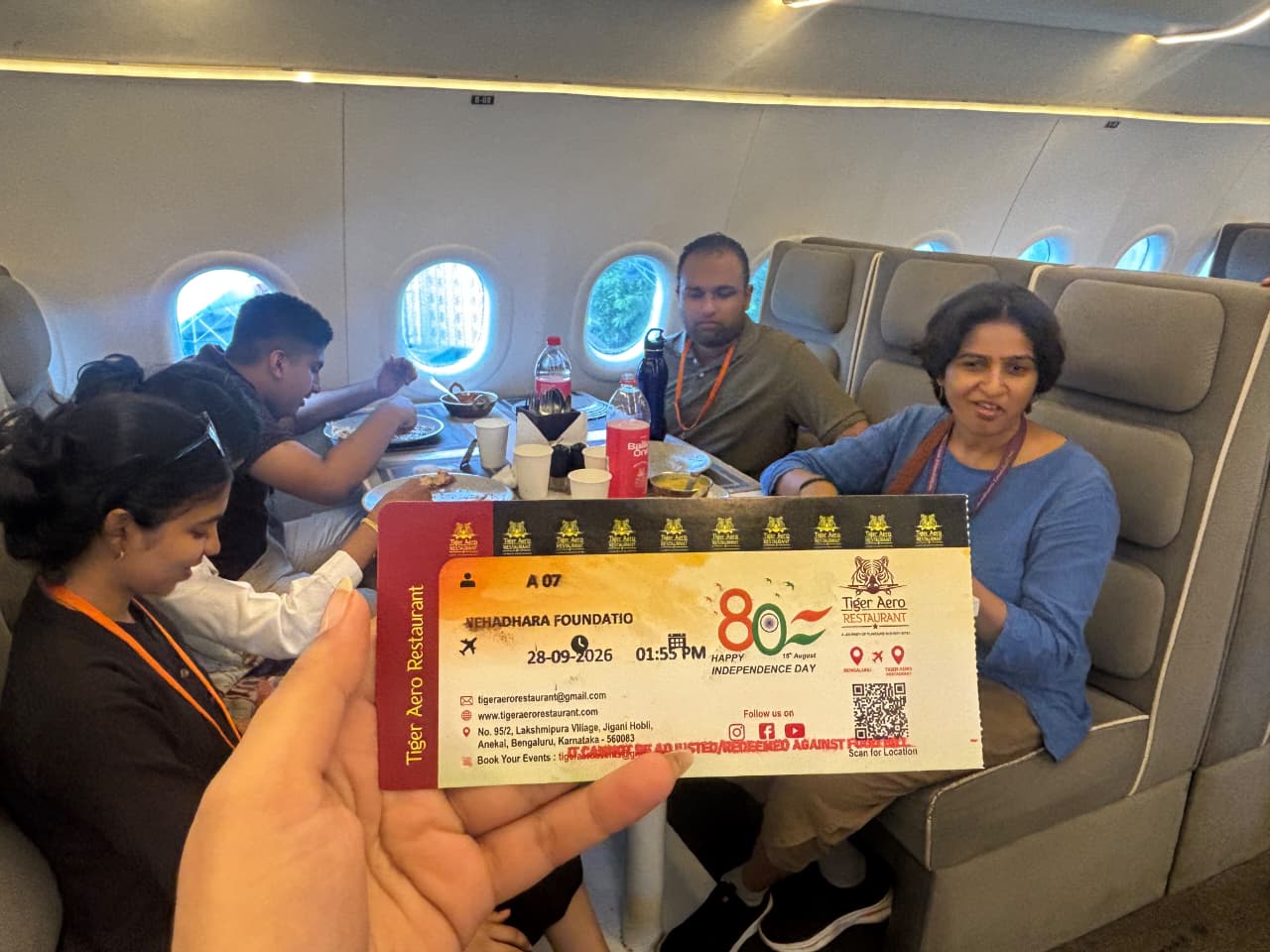
Lunch at Tiger Aero, a restaurant designed around the experience of being inside an aircraft, gave us another glimpse of this. The participants did not know beforehand what the restaurant would look like. For one person, entering the space meant exactly what it appeared to mean, which is getting onto a flight. His response was immediate: he did not want to fly; he wanted to return to campus. Yet, as the situation became clearer, he moved into the experience.
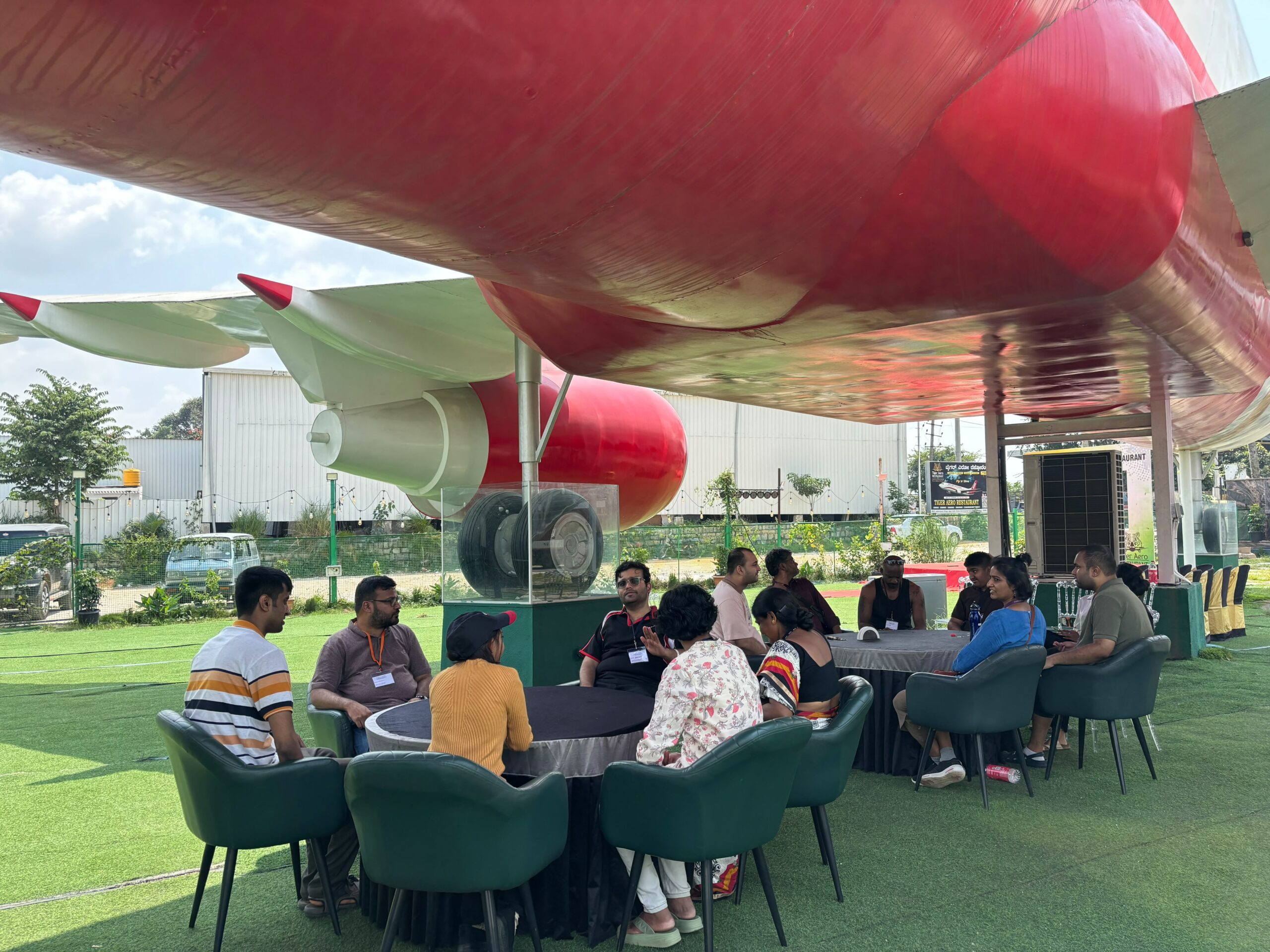
What happens when the experience arrives before the preparation?
What stayed with us was the ability to encounter an unfamiliar situation, interpret it, communicate a clear choice and then adapt as new information became available. It made us wonder: while we know that neurodiverse adults benefit from preparation, does all preparation have to happen before an experience? Could exposure itself sometimes become preparation?
For many young adults, as formal education ends, industrial visits, internships, workplace exposure and eventually employment become recognised pathways into adult life. We understand that people learn by entering these spaces; we do not expect them to know everything before they arrive. The exposure itself is part of their preparation.
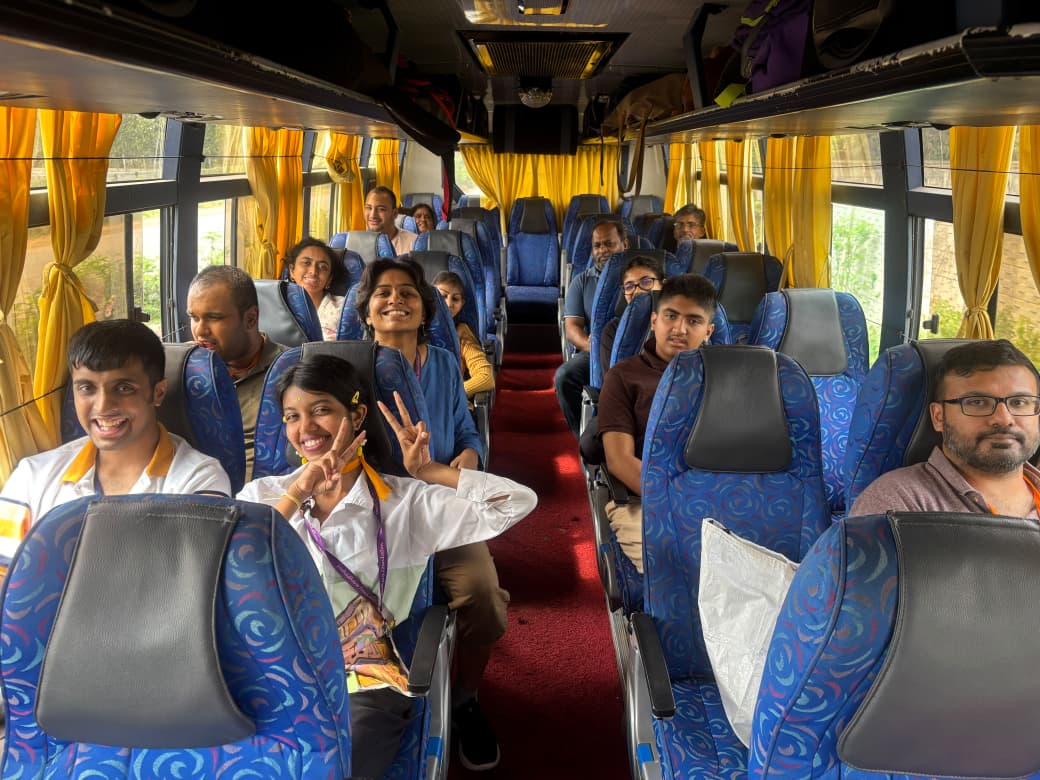
For the adults at Uhuru, these social immersions are those experiences. The bus journey, a public park, eating somewhere unfamiliar, waiting, choosing, saying no, reconsidering, navigating strangers and responding when something does not happen as expected are not incidental to training in assisted living. They are part of the training.
The journey is part of the learning.
And perhaps this is where the question of adaptation becomes more interesting. We speak so often about whether neurodiverse adults can adjust to the world , to its routines, expectations, social codes and public spaces. Yet at the Butterfly Park, we were watching them adjust constantly. They navigated crowds, waited, communicated discomfort, stayed with one another, accepted support and found ways to continue.
So who is adjusting to whom?
When a non-speaking adult communicates discomfort through a loud vocalisation, does the responsibility for adjustment rest only with that person and those supporting them? What happens to the people around them? Some were curious, some continued with their day, some watched and some appeared unsure. For someone unfamiliar with neurodiverse communication, what we understood as communication could simply have sounded like a disturbance.
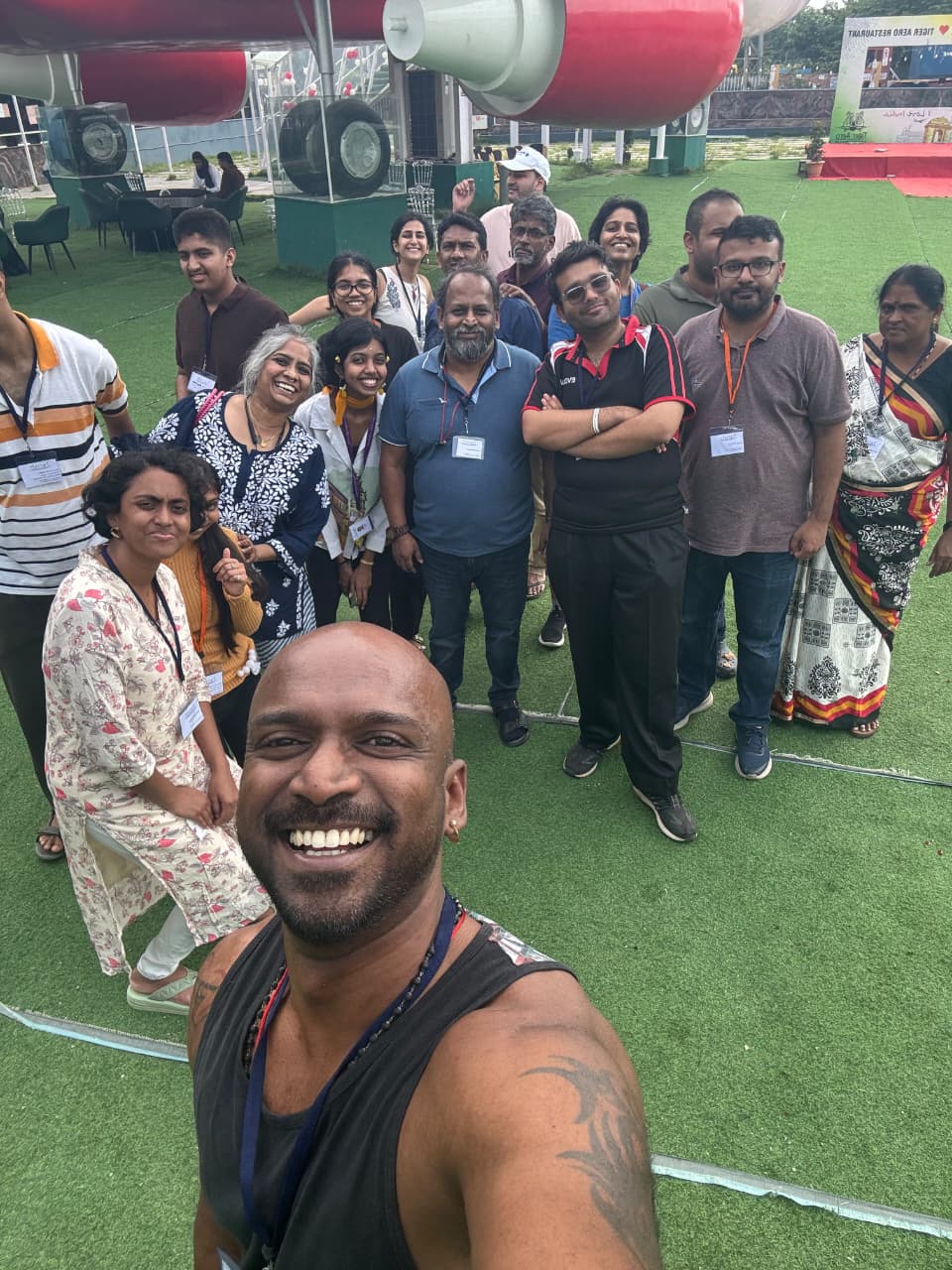
This is where social immersion begins to work in both directions. Our adults are encountering the community, but the community is also encountering neurodiversity not in an awareness programme or sensitisation workshop, but in an ordinary shared public space.
Perhaps that is an equally important part of preparing for assisted living. We can work endlessly on helping neurodiverse adults adapt to society, but community living cannot be built on one-sided adaptation. If they are learning to live in the world, the world has to learn to live alongside them too.
This becomes significant when we return to “What after me?” We can create routines, familiar environments and systems of support, and all of these remain important. But no adult life can be made entirely predictable. People change. Plans change. Environments change. If preparation for adulthood depends only on making the world predictable, what happens when the world inevitably isn’t?
Perhaps these social immersions allow us to notice capacities that highly structured environments may not always reveal, which is the ability to communicate discomfort, negotiate, wait, recover, choose, reconsider and adjust. This is not about removing structure or deliberately creating discomfort. It is about recognising that sometimes support means preparing in advance, and sometimes it means being alongside someone as they discover how to navigate the unexpected.
This is why these are not simply outings from Uhuru. They give us a different kind of information — not only about what someone finds difficult, but about what they can work out when we have not worked everything out for them first.
Perhaps, within the enormous question of “What after me?”, there is another question we have been missing:
What might become possible if we create enough supported opportunities for neurodiverse adults to show us how they adapt, rather than deciding in advance how much adaptation they are capable of?
Training in assisted living may therefore be about more than preparing someone for every situation we can anticipate. It may also be about supporting people to build a relationship with the unexpected, while asking whether our communities are equally prepared to make room for different ways of communicating, participating and being.
Perhaps the unexpected is not always what interrupts the learning.
Sometimes, the unexpected is the learning.