Uhuru 2.0
A 7-Day Residential Programme for Training in Assisted Living for Neurodiverse Individuals
What After Me?
This question sits quietly in many homes.
For parents, caregivers, and families of neurodiverse individuals, the future often carries uncertainty:
Who will support them?
Where will they belong?
What will dignity, autonomy, friendship, and participation look like beyond the family?
Uhuru emerged from this question. Not as a finished answer, but as a living space where training in assisted living can be practised, explored, adapted, and reimagined collectively.
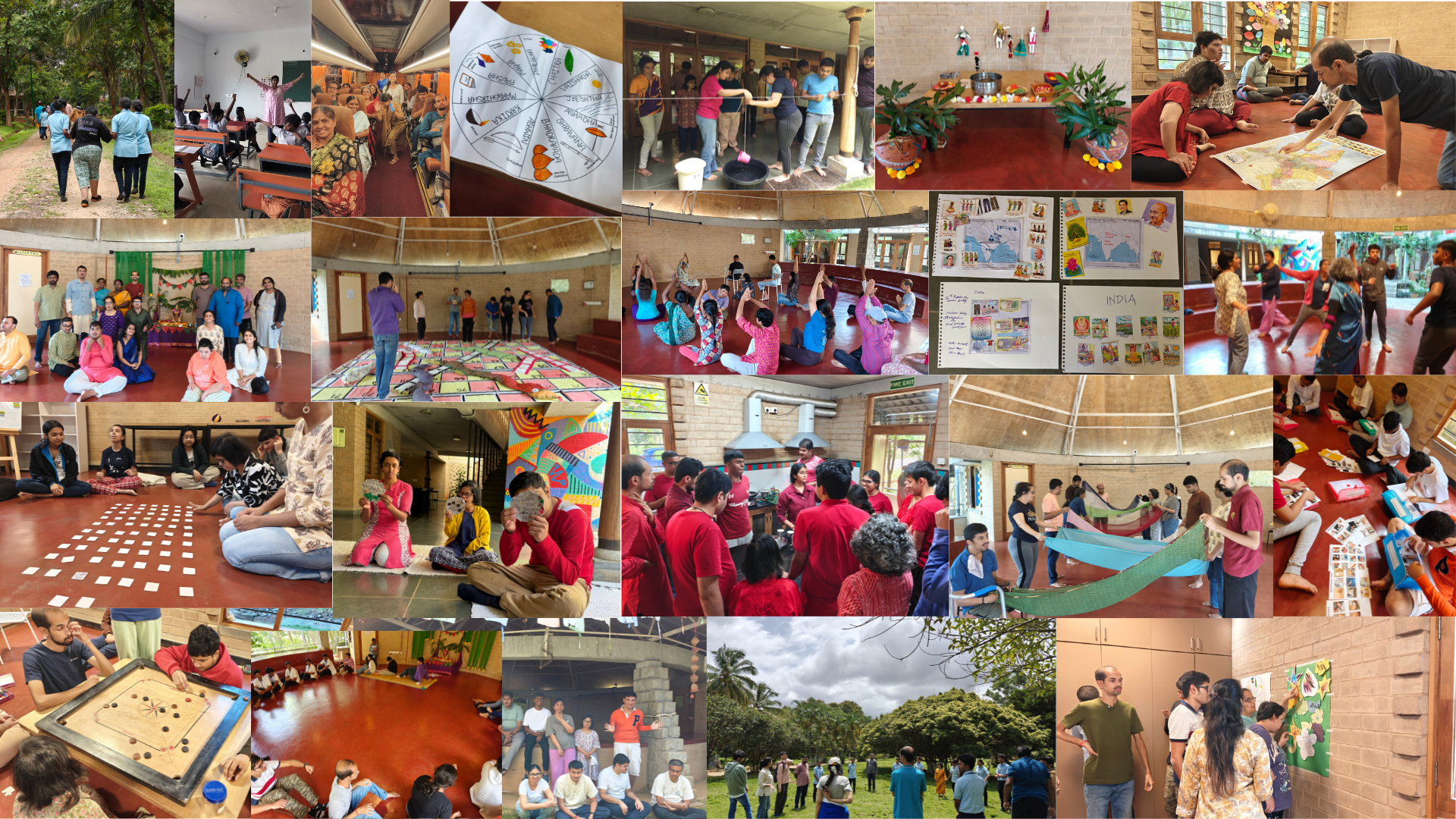
Through shared routines, community living, arts-based learning, social participation, and relationships, Uhuru creates opportunities for neurodiverse individuals to experience agency, responsibility, connection, and belonging in everyday life.
The Offering
Community Living
Living together. Growing together.
Participants share spaces, routines, meals, conversations, celebrations, responsibilities, movement, rest, and everyday moments together. Through these shared experiences, relationships begin to form naturally — creating opportunities for trust, friendship, mutual support, and participation beyond the family unit.
A Living Curriculum
Learning rooted in life, creativity, and participation.
Uhuru believes that when learning is connected to lived experience, it becomes more embodied, relational, and sustainable. The programme also integrates festivals, cultural experiences, storytelling, games, and community rituals as ways of making learning accessible, meaningful, and engaging.
Social Immersions
Stepping into the world with support, curiosity, and confidence.
Social immersions become important by creating opportunities for participants to engage with real-world environments, public spaces, and everyday community participation. The focus is not on performance or perfection, but on participation, exposure, exploration, and meaningful engagement with the world around us.
The Ecosystem
Partnerships
Building ecosystems of support together.
Uhuru is not built in isolation. Over the years, the programme has evolved through collaborations with parents, caregivers, educators, therapists, organisations, volunteers, artists, researchers, community members, and institutions across India.
Research
Building knowledge through lived practice.
Through documentation, reflection, observation, conversations, arts-based inquiry, and collaborative learning processes, Uhuru attempts to understand what meaningful and dignified models of training in assisted living can look like within the Indian context.
Parent Community
Holding space for conversations and support.
Uhuru’s parent community creates spaces for families and caregivers to come together in reflection, conversation, rest, and collective support while navigating questions around care, autonomy, and futures of training in assisted living through initiatives like Art of Rest and Baithaks.
September 2026 Cohort
July 2026 Cohort
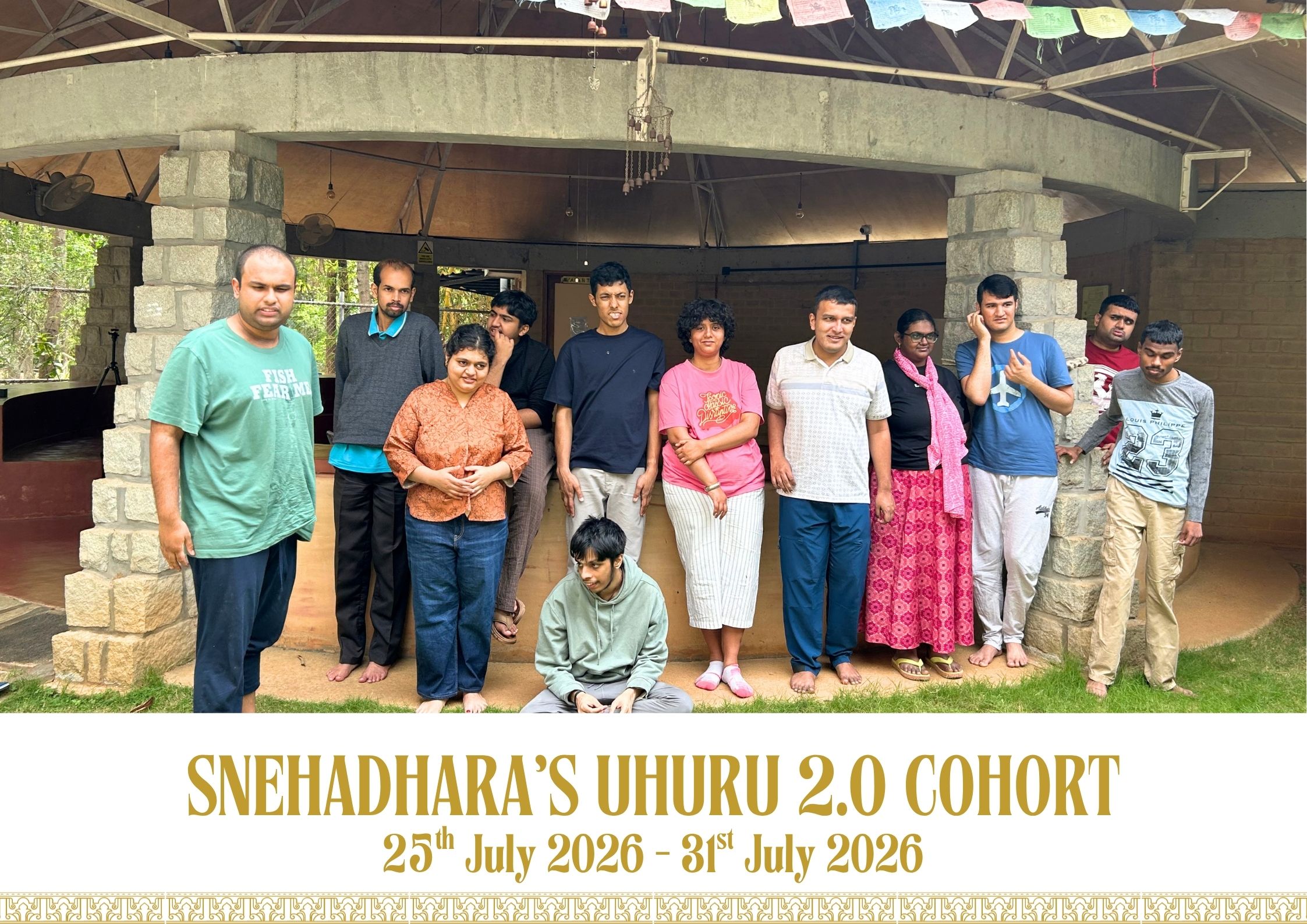
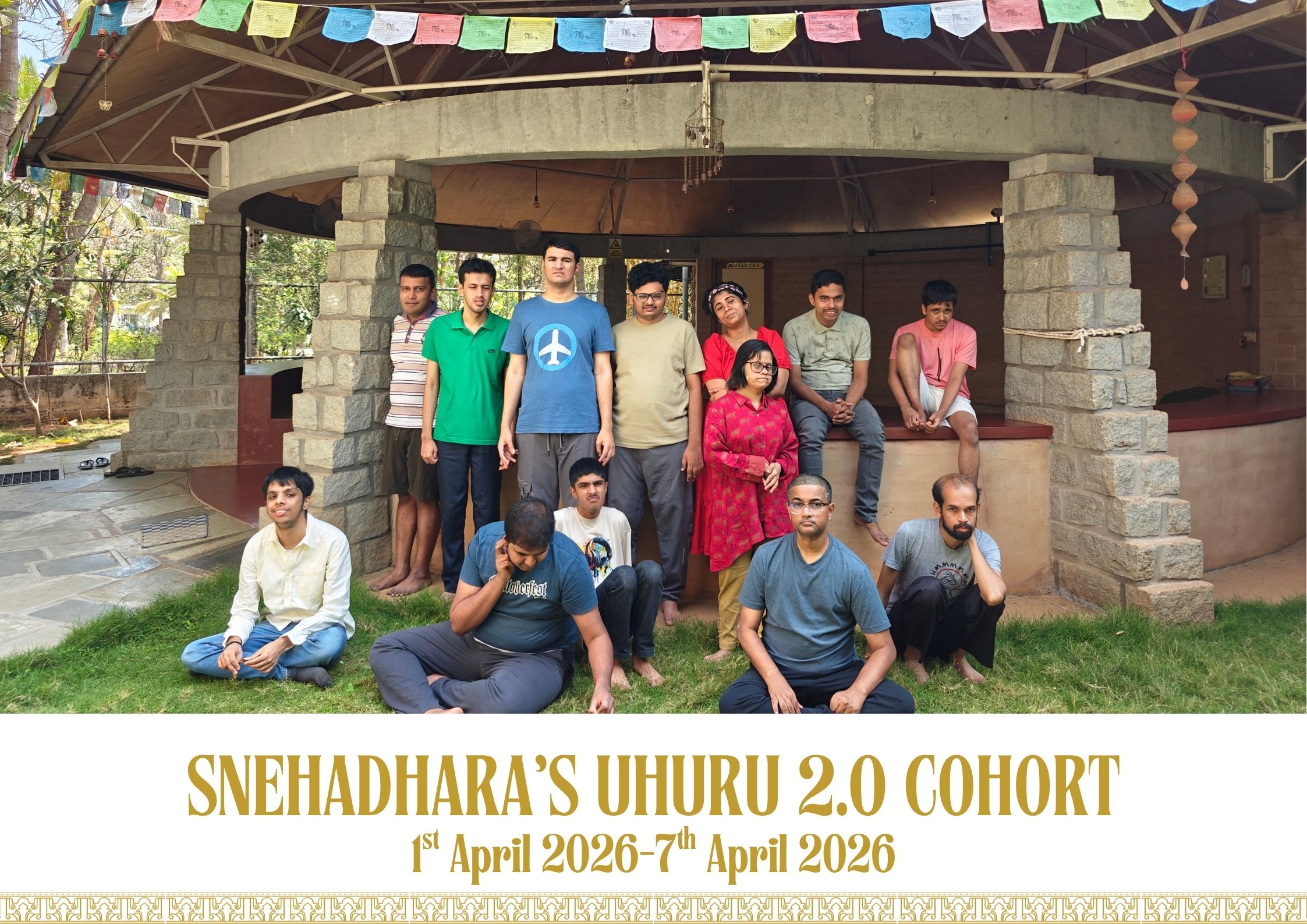
April 2026 Cohort
Rooted in themes of renewal, reflection, relationships, and everyday adulthood, the April cohort explored identity, community living, emotional awareness, boundaries, care, and shared responsibility through arts-based learning, conversations, festivals, movement, and social participation. Bringing together new and returning participants, the cohort deepened training in assisted living through rhythm, relational learning, vocational engagement, and collective experiences of autonomy, interdependence, and belonging.
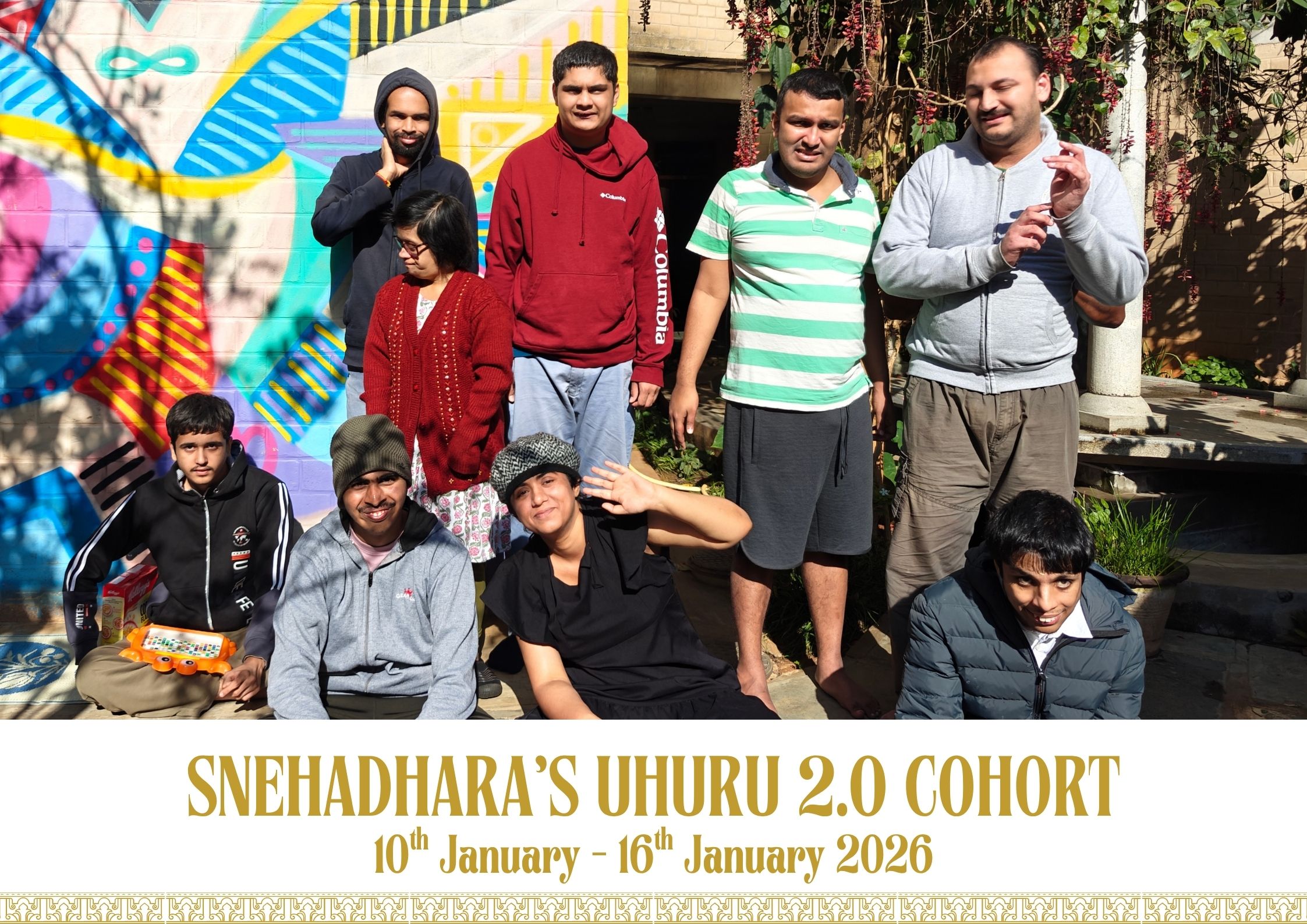
January 2026 Cohort
Rooted in harvest festivals and Republic Day, the January cohort explored rhythm, community, citizenship, shared responsibility, and belonging through cultural traditions, arts-based learning, social immersions, and everyday living practices. Bringing together new and returning participants, the cohort deepened training in assisted living through repetition, peer learning, collective routines, creative expression, and community participation grounded in dignity, interdependence, and care.
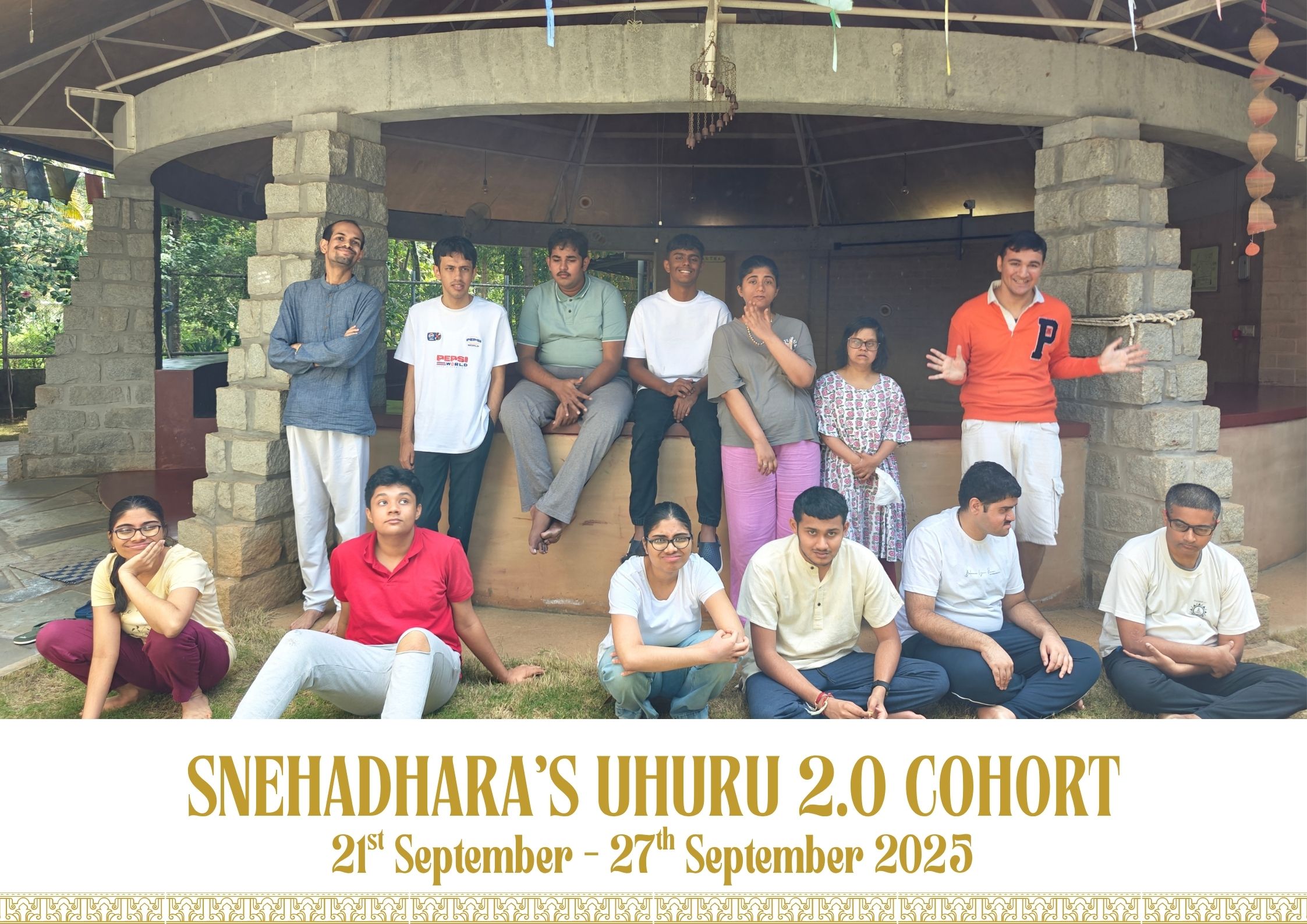
September 2025 Cohort
Rooted in Navaratri and the diverse cultural traditions of India, the September cohort explored courage, celebration, wisdom, gratitude, identity, and belonging through storytelling, ritual, art, food, and shared community experiences. Participants engaged in a week of training in assisted living woven with festivals, regional narratives, creative expression, and collective practices of joy, reflection, and participation.
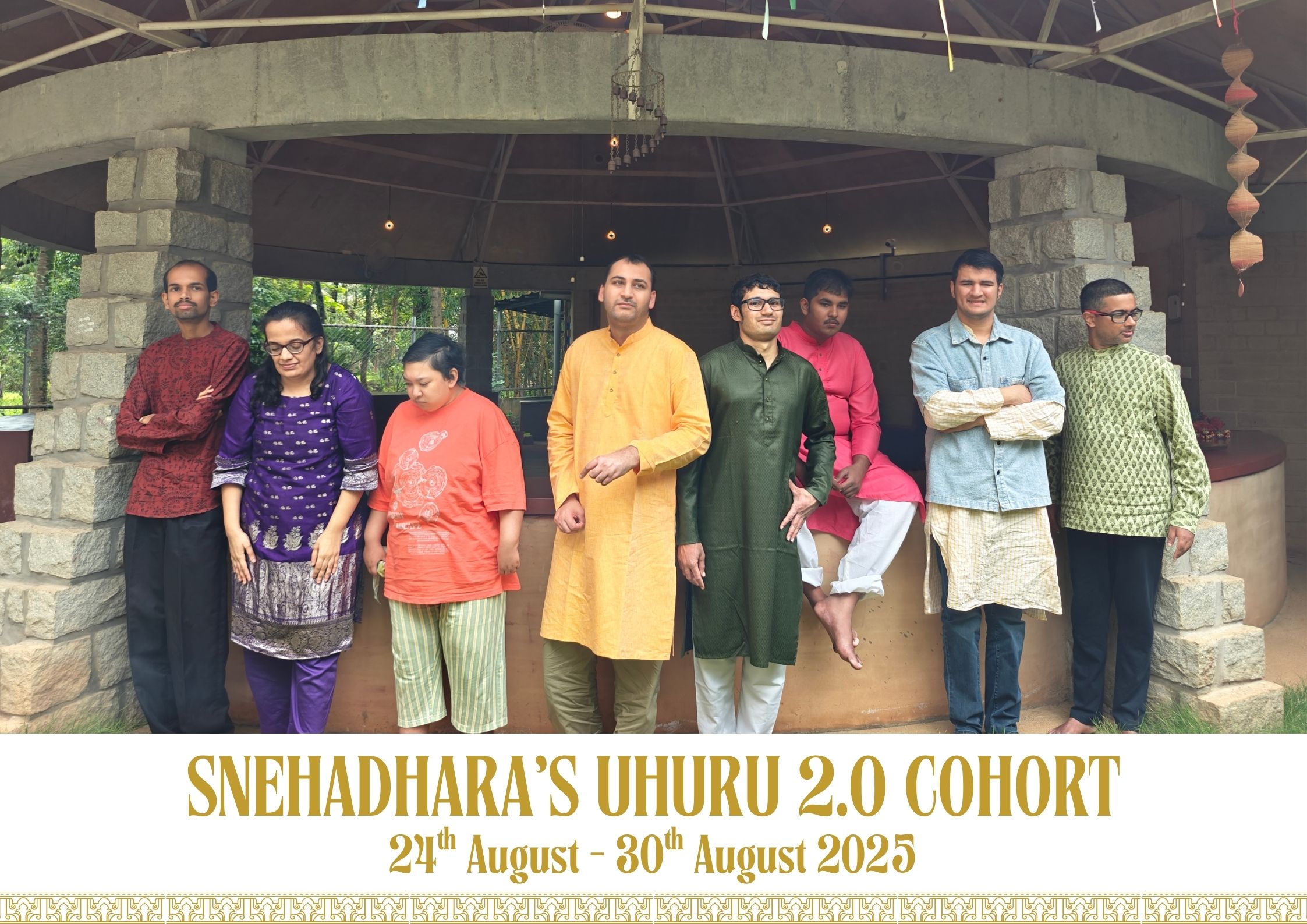
August 2025 Cohort
Rooted in the festivals of Ganesh Chaturthi, Krishna Janmashtami, and Onam, the August cohort explored rhythm, celebration, identity, friendship, and collective joy through storytelling, movement, art, rituals, and shared living. Participants engaged in a week of training in assisted living grounded in cultural memory, community participation, emotional expression, and everyday experiences of belonging.
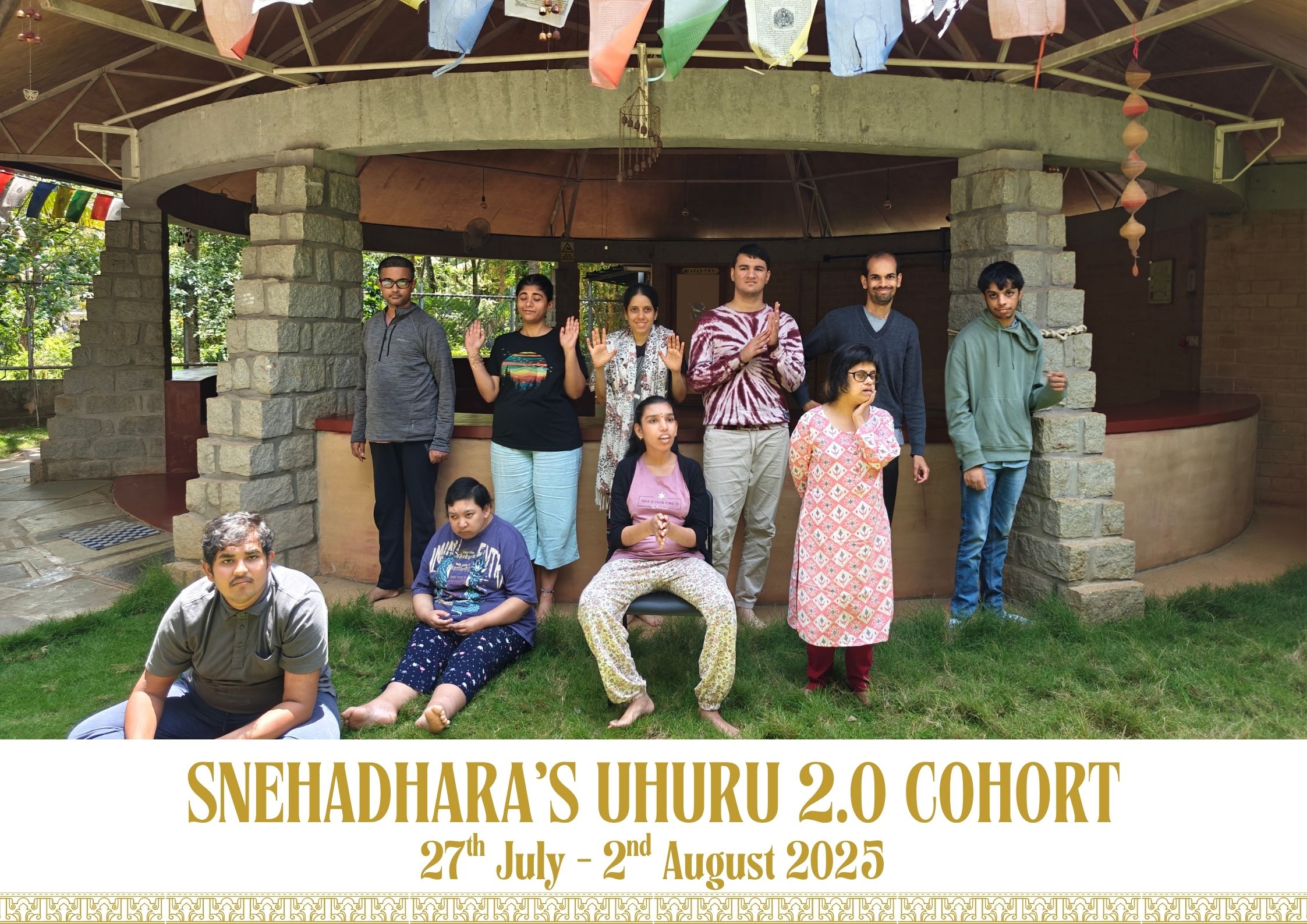
July 2025 Cohort
Rooted in The Little Prince, the July cohort explored community living, leadership, relationships, autonomy, and training in assisted living through storytelling, shared routines, social immersions, and collective responsibility. Participants engaged in a week of living, learning, reflection, creativity, and community-building designed to nurture confidence, belonging, empathy, and participation.
The Invitation
Uhuru 2.0 is more than a programme. It is a path forward. A container for skill, a crucible for connection, and a soft revolution in how we prepare for what after me. It invites all of us to reimagine assisted living not as a burden, but as an ecosystem of shared care.
Whether you are a family asking this question, an organization seeking a replicable model, or a practitioner longing for meaningful collaboration, this is your invitation.
Come for a week. Leave with a lifetime of practice.
Cohort Dates for 2026-27
April 1st – 7th 2026 (Wednesday to Tuesday) – Cohort Completed
July 25th – July 31st 2026 (Saturday – Friday) – Cohort Completed
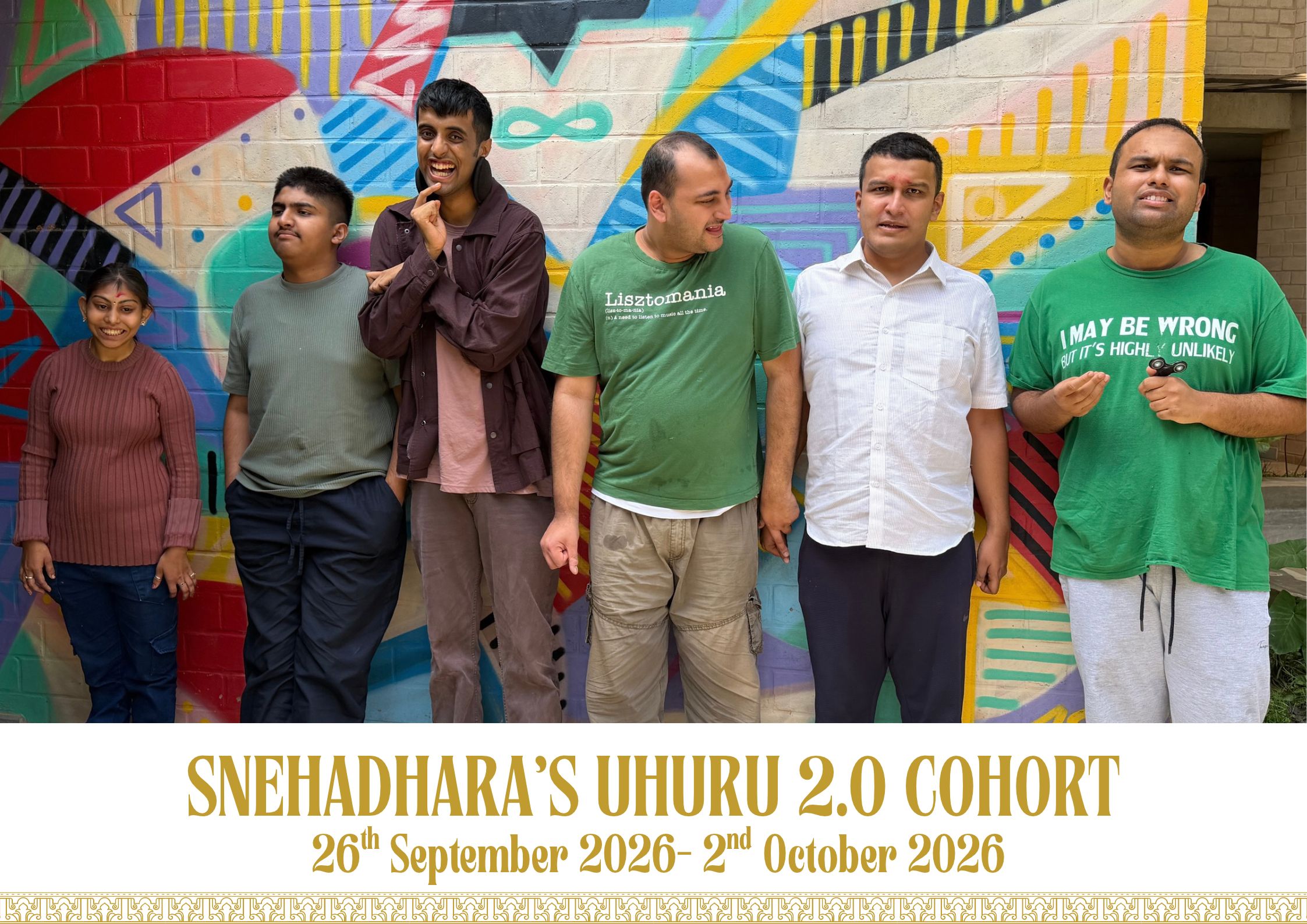
September 26th – October 2nd 2026 (Saturday to Friday) – Cohort Completed
January 10th – 16th 2027 (Sunday to Saturday) – ADMISSIONS OPEN