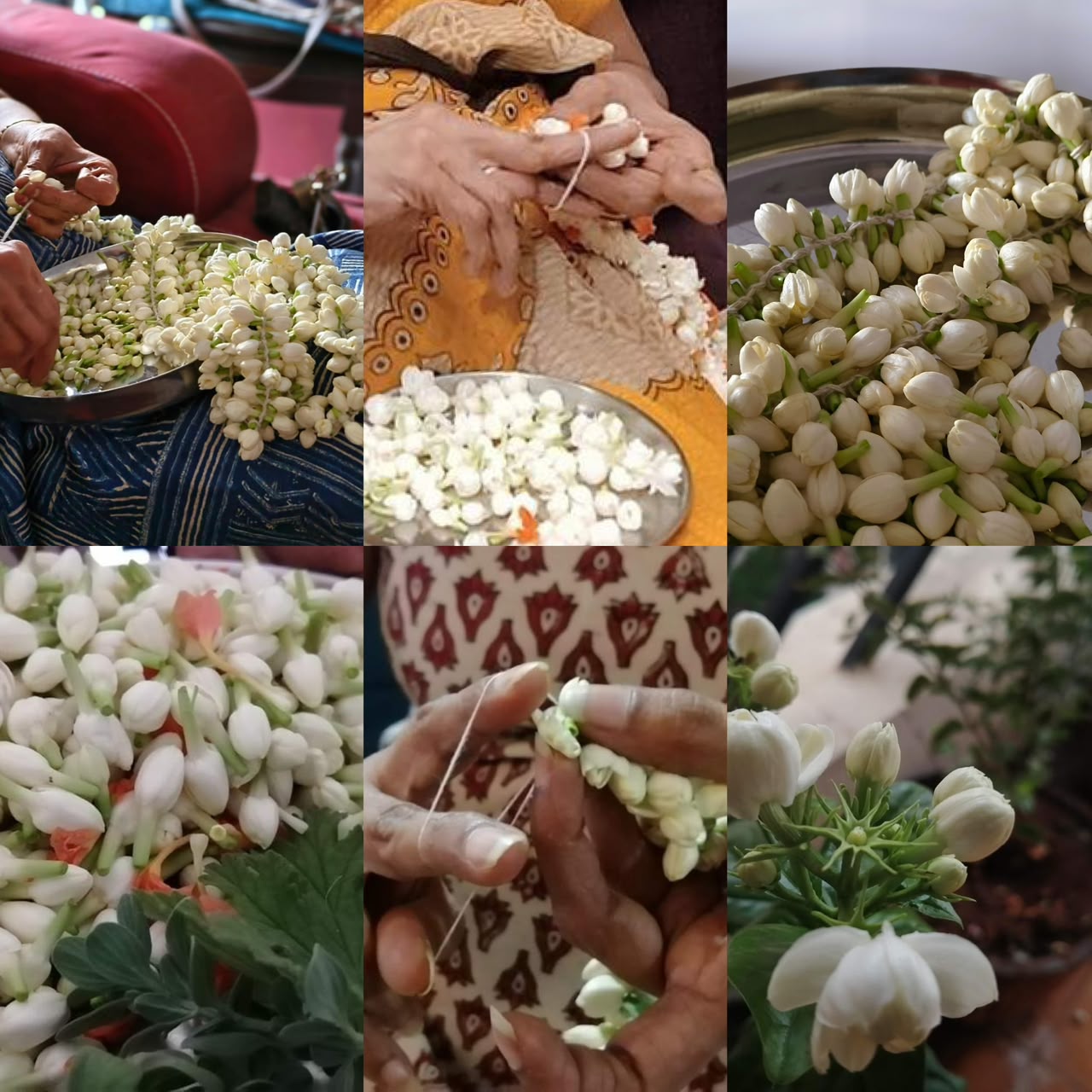

Every year, 10 October brings with it conversations about mental health. We speak of anxiety, depression, burnout, trauma, therapy and self-care. We certainly have more language today, and perhaps more permission to say, I am not okay. And yet, I find myself asking what all this awareness is really waking us up to.
A question from another generation
I think of conversations with my mother. When I try to explain something about mental health, she often asks me, quite genuinely, “But what is bothering them so much?” It is not a dismissal. She is trying to understand. And I sometimes struggle to answer her.
Her generation certainly knew grief, difficult relationships, financial worries, uncertainty, loneliness and loss. Much of it perhaps went unnamed. People endured things they should not have had to endure, and asking for help was rarely part of the vocabulary. But that may not be the whole story.
They also lived with less. Less choice, less access, less information and fewer ways of naming what they were feeling. But perhaps there was also less comparison, less pressure to constantly become a better version of oneself, and less expectation that life must always feel successful, meaningful or fulfilling. There were everyday rhythms, shared responsibilities, family, faith and community. Not everything from that time needs reclaiming, but perhaps there were ways of being held that we have lost while gaining so much else.

Did healing always belong to the individual?
Many older traditions did not begin with the individual at all. Buddhist thought recognises suffering as part of human existence and asks us to examine our relationship with it. The Bhagavad Gita speaks to equanimity in the midst of action and uncertainty. Across many indigenous and shamanic traditions, healing has been held through ritual, body, nature, ancestry and community. One did not necessarily heal alone.
Psychology has given us invaluable ways of understanding the mind, and therapy, diagnosis and professional care have an essential place. But perhaps there is something worth noticing in how individual-centred our language has become: my anxiety, my trauma, my healing, my resilience.
As mental health becomes increasingly specialised, what begins to count as credible care? Do we begin to look for the label, the assessment, the qualification, the credential before we trust our own capacity to be with another human being? And in doing so, do we risk forgetting something very old and very simple which is the ability to sit beside another person without immediately needing to explain, advise or fix?
Perhaps this is where psychology, philosophy, the arts and inclusion can meet again. The arts remind us that not everything needs words. Philosophy asks us how we live with what cannot be resolved. Psychology helps us understand our inner worlds. Inclusion reminds us that wellbeing is also shaped by whether we are seen, have choice, can participate and belong.

What is all this awareness doing?
Maybe this is why my mother’s question stays with me. We are more connected than ever and yet speak increasingly of loneliness. We have more choices and often seem more uncertain. We have more language to understand ourselves while living in a world that asks us to compare, perform, achieve, adapt and improve almost continuously.
Naming an experience can be deeply liberating. It can bring relief, recognition and access to support. But somewhere between naming and knowing, we can also begin to see people through what they carry, be it their diagnosis, difficulty or vulnerability instead of encountering the whole person. In an age of increasing mental-health awareness, it is worth asking whether all this knowing is bringing us closer to one another, or whether the othering is deepening.
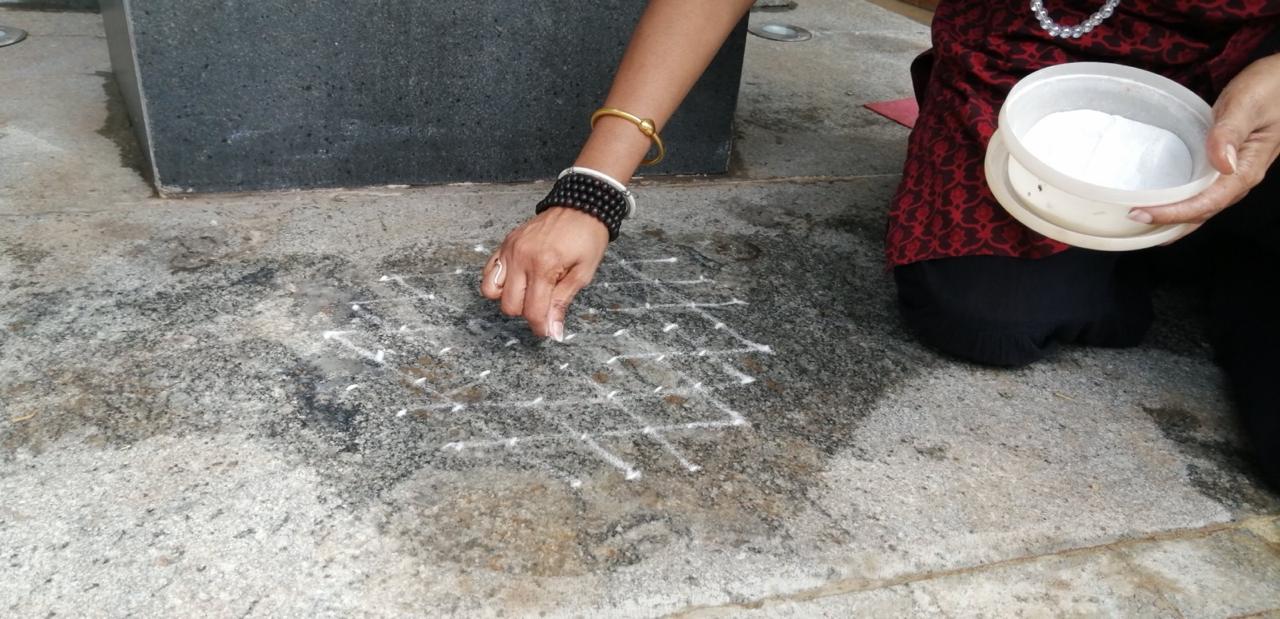
Perhaps one promise
Maybe World Mental Health Day is an invitation to remember that wellbeing was never meant to be an individual pursuit.
We speak so much today about caring for ourselves, our boundaries, our healing, our wellbeing. All of this matters. But perhaps caring for the self also happens in caring for another, just as being there for another can return us to something within ourselves.
For generations, communities have known this in different ways. We gathered, cooked, prayed, mourned, celebrated, sang, worked and sat together. Care moved between people. It did not always have a name, and it did not belong to one person alone.
Perhaps that is the promise worth making this World Mental Health Day – to see our wellbeing as connected to the wellbeing of another.
Because mental health may not only be about how well each of us is doing on our own. It may also be about the families, neighbourhoods, workplaces and communities we are creating and whether, within them, we still know how to hold and be held.
Maybe caring for ourselves and caring for each other were never two different things after all.