What If a Lullaby Could Hold More Than Sleep?
What if it could hold a memory, a story, a moment of rest, or simply the comfort of knowing that we are not alone?
Across cultures and generations, lullabies have been among our earliest expressions of care. They have soothed children, comforted adults, carried stories across generations and held emotions for which words are sometimes not enough.
The Lullaby Commons is a three-year artistic and community journey by Snehadhara Foundation, in collaboration with musicians Gurupriya Atreya and Vedanth Bharadwaj, that seeks to reclaim lullabies as a living language of care, rest and belonging.
Rooted in Snehadhara’s Arts Practices for Inclusion (API) framework and growing from the artistic journey of Sing a Lullaby (Aaraaro), the project brings together music, storytelling, community participation and shared experiences of rest.
It is an invitation to sing, listen, remember, pause and simply be.
We want to create spaces where people can feel held.
At Snehadhara, we have always believed that the arts are not an addition to care. They are among the oldest ways in which we have cared for one another.
In a world that constantly asks us to do more, move faster and keep going, opportunities to pause and belong without expectation are becoming increasingly rare.
Lullabies offer us another possibility.
They remind us that care need not always be expressed through words, that participation need not always mean doing something, and that sometimes the simple act of listening together can create a sense of connection.
Through The Lullaby Commons, we hope to explore how lullabies can become a shared arts-based practice for psychosocial wellbeing, inclusion and community building—not only for children, but for caregivers, educators, older persons, neurodiverse individuals, healthcare workers, artists, families and communities.
Our dream is to create a commons that people do not merely experience, but contribute to, shape and carry forward.
The Lullaby Collection
At the artistic heart of the project is a growing collection of approximately thirty lullabies, recorded and produced across languages and musical traditions. Building on Sing a Lullaby, these recordings will become a shared resource for listening, learning, singing and connecting across generations.
The Living Lullaby Archive
More than a collection of recordings, the archive will hold the stories behind the songs—the people who sing them, the memories they evoke, the languages they travel through and the relationships they create. It will grow through community contributions, artistic responses and shared experiences.
Lullaby Circles
Small, welcoming spaces where people gather through lullabies, listening, silence, storytelling, movement and reflection. These circles will travel into schools, hospitals, community organisations, care settings and everyday spaces, inviting people to experience lullabies in their own ways.
The Companion Lullaby Handbook
A resource bringing together selected lullabies, lyrics, transliterations, translations, illustrations and QR-linked recordings. The handbook will invite families, educators, caregivers and community practitioners to discover and share lullabies within their own settings.
The Lullaby Caravan
A travelling journey of songs, stories and encounters. The Caravan will take lullabies into communities across India, bringing artists, caregivers, educators, families and local voices together. As it travels, it will also gather lullabies, memories and stories that might otherwise remain unheard.
Aaraaro: The Sleep Concert
An unusual invitation to a concert, not simply to watch or applaud, but tolisten, rest and experience music together. Through thoughtfully curated performances, Aaraaro explores what happens when a public artistic experience becomes a space for stillness, connection and collective care.
The Lullaby Keepers
Perhaps one of the most meaningful parts of the dream is what happens after the songs have been sung and the concerts have ended.
The Lullaby Keepers will be a growing community of caregivers, teachers, artists, parents, healthcare workers and others who choose to carry lullabies into their everyday lives and spaces.
Not a certification or a formal training programme, but a community of practice connected through shared resources, conversations, gatherings and the desire to keep this language of care alive.
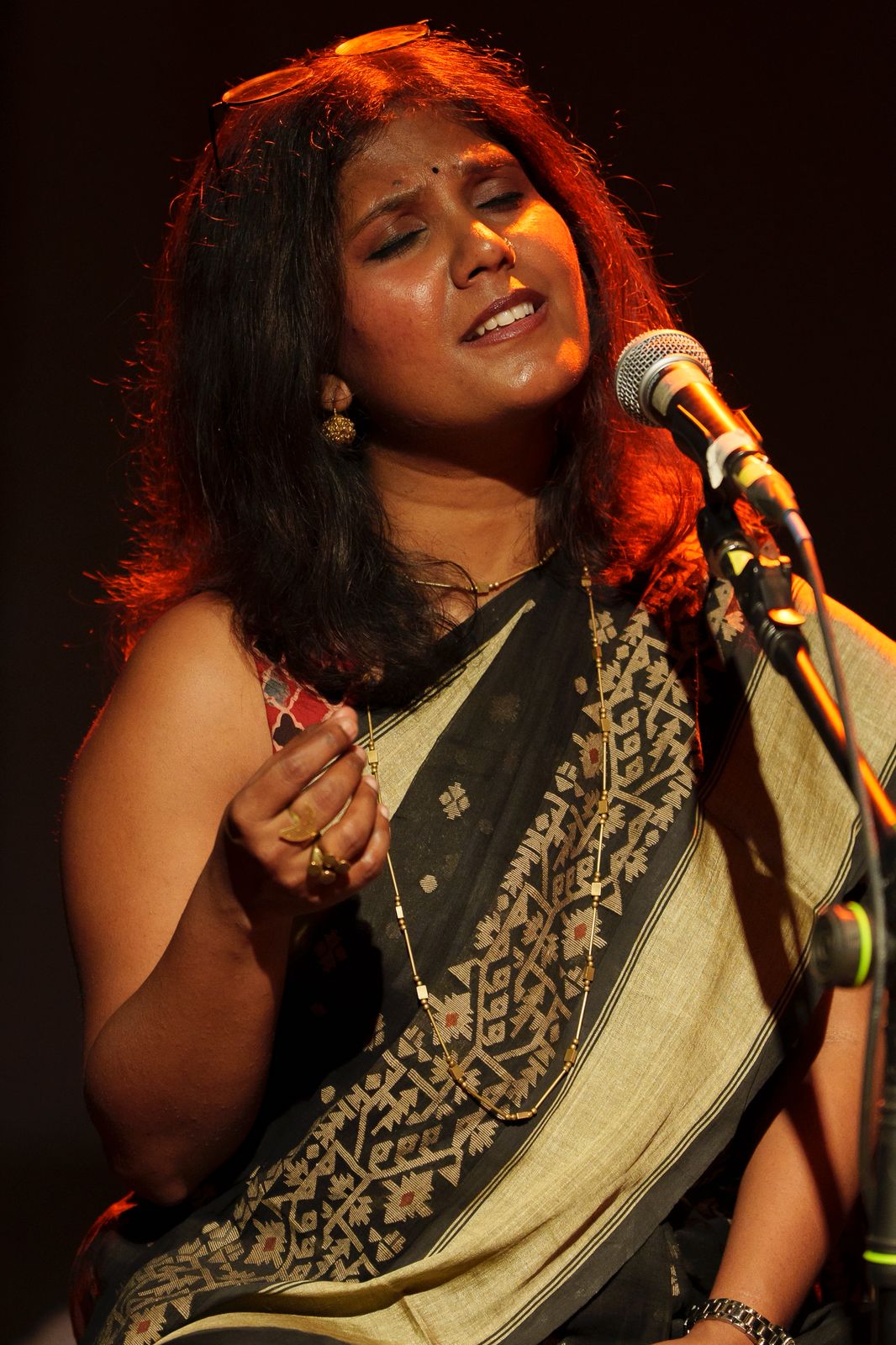
Gurupriya Atreya
Gurupriya Atreya is a Bengaluru-based singer, composer, voice artist, curator and arts educator whose work brings together music, storytelling and community.
A disciple of Ustad Faiyaz Khan, her musical practice draws from Indian classical and semi-classical traditions, Bhakti and Sufi poetry, folk music, ghazals and lullabies. Her debut as a composer for the Kannada short film Rasam received multiple awards for Best Original Score.
Alongside Vedanth Bharadwaj, she co-leads Aaraaro (Sing a Lullaby), an artistic exploration of lullabies from India and around the world, through recordings, sleep concerts and workshops.
Through her work in Arts for Inclusion and The Living Room Kutcheri, Gurupriya continues to create participatory artistic experiences that bring people together through music, care and shared expression.
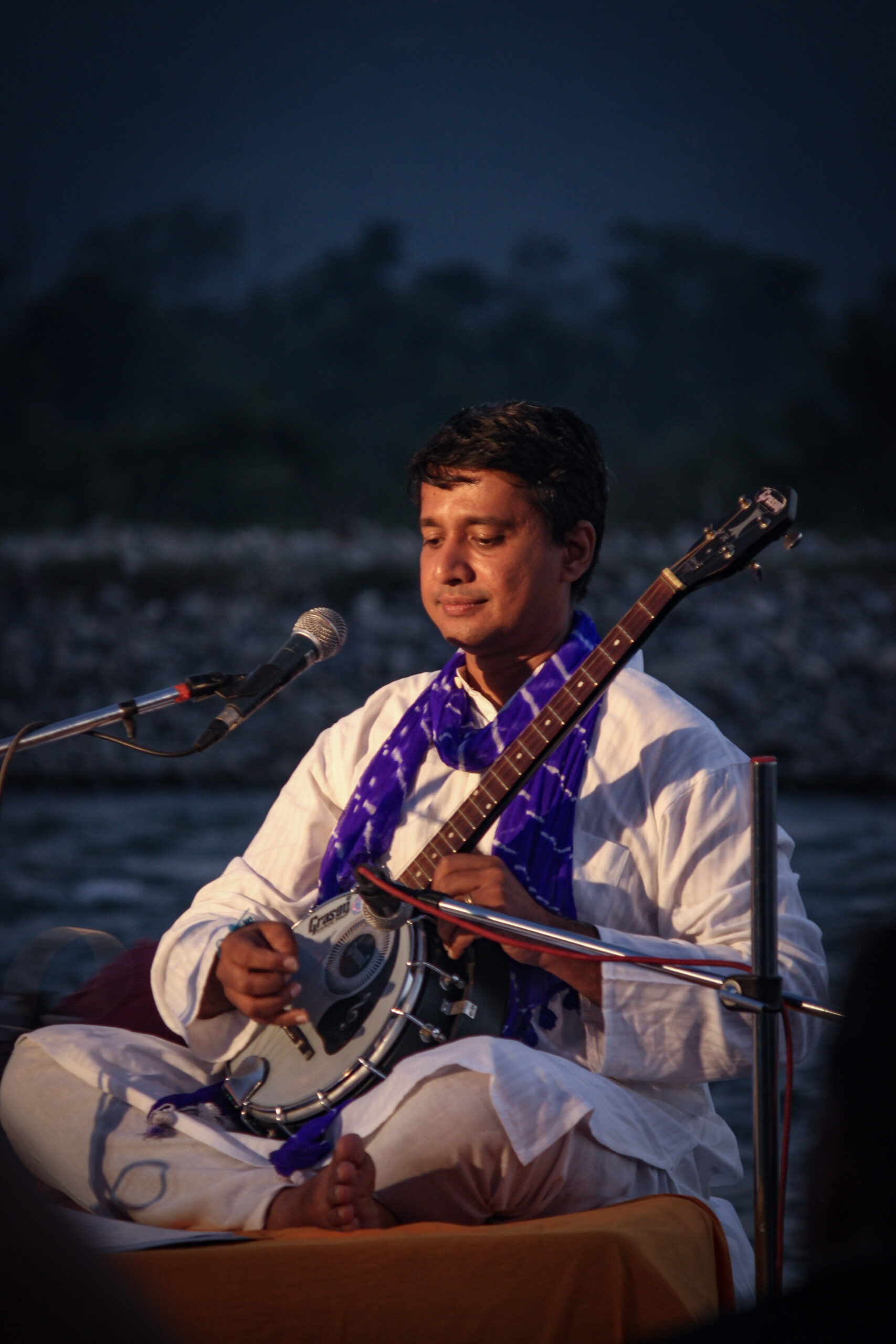
Vedanth Bharadwaj
Vedanth Bharadwaj is a singer, composer and musician whose work moves across Indian classical music, Western classical traditions, folk music, Bhakti and Sufi poetry, theatre and cinema.
Beginning his musical journey at the age of four, Vedanth has developed a distinctive artistic practice that brings together voice, guitar, banjo and the poetry of mystic traditions.
He has composed music for films, theatre, dance, documentaries and independent albums, including the Tamil film Aruvi and the international feature His Father’s Voice.
Vedanth is also one of the directors of the Chennai Children’s Choir, which represented India at the Serenade Choral Festival at the Kennedy Center in Washington, DC.
At the heart of his work is a simple aspiration: to spread love and peace through music.
The Lullaby Commons is not simply about producing songs, concerts, books or recordings.
We hope that lullabies will find their way back into everyday life—in homes, classrooms, hospitals, care settings, community gatherings and spaces where people need moments of comfort and connection.
We hope that artists and communities will discover new ways of using lullabies to nurture participation, expression, memory, rest and belonging.
We hope that stories and traditions will be remembered, shared and reimagined across generations.
And perhaps most importantly, we hope that people will begin creating their own lullaby spaces, carrying the practice into places we may never reach ourselves.
Because the true legacy of The Lullaby Commons will not be the songs we record, but the people who continue to sing them, share them and make them their own.
A lullaby does not belong to one voice alone.
It travels through the person who sings it, the person who receives it, the memories it awakens and the people who carry it forward.
Over the next three years, we hope The Lullaby Commons will grow through the voices, stories, memories and imaginations of many people.
Whether you are an artist, educator, caregiver, parent, community organisation or simply someone who remembers a lullaby that once made you feel held, there may be a place for you in this journey.